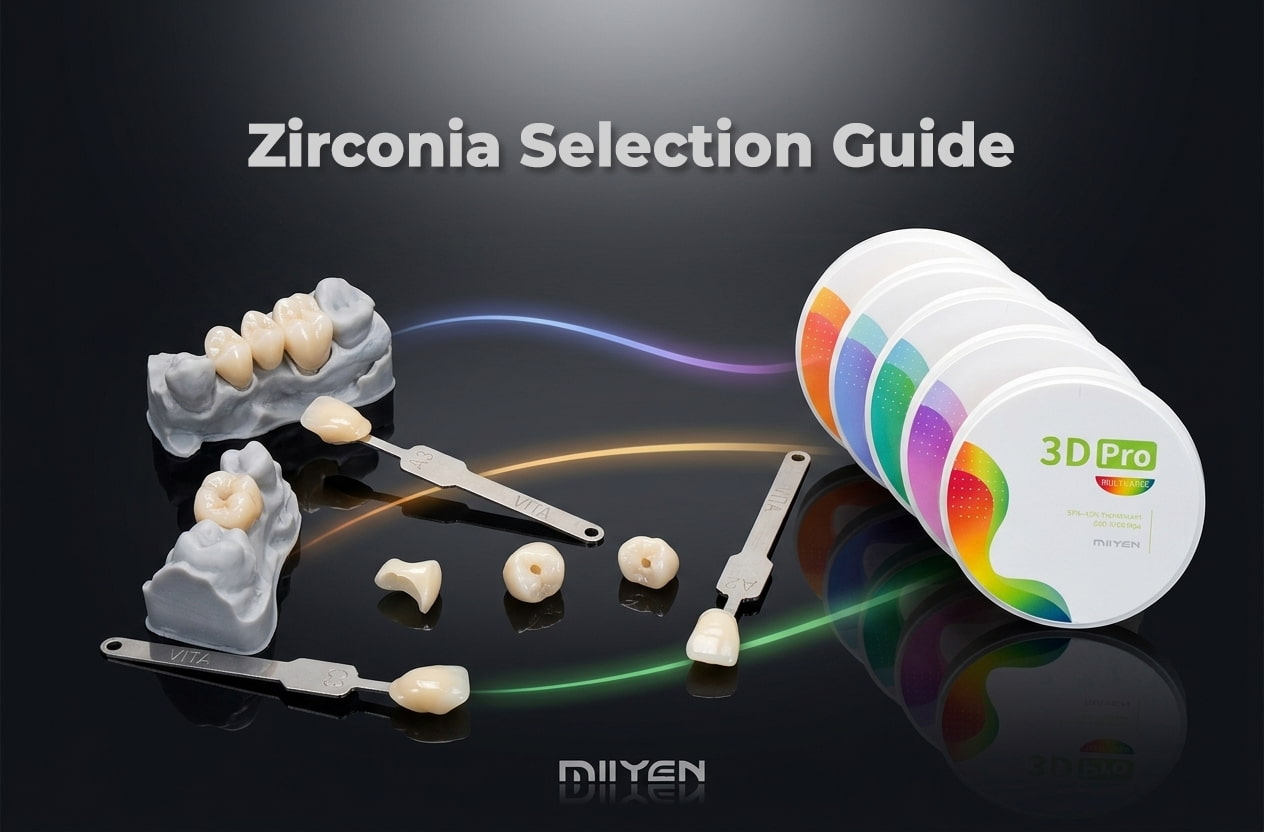
Выбор правильного циркониевого блока является одним из самых важных решений в цифровой стоматологии. Независимо от того, изготавливаете ли вы одиночную переднюю коронку или протяжённый боковой мостовидный протез, выбранный материал напрямую влияет на прочность, эстетику, долговечность реставрации и эффективность производства.
Однако при наличии множества вариантов циркония — 3Y, 4Y, 5Y, многослойный, с высокой прозрачностью, с высокой прочностью — может быть сложно определить, какой материал действительно подходит для каждого клинического показания.
В этом руководстве объясняются различия между современными циркониевыми материалами, описываются ключевые факторы, которые должны влиять на выбор, и приводятся практические рекомендации, основанные на требованиях к реставрации, а не на маркетинговых заявлениях.
Автор:
Техническая команда BAOT Dental Materials
Рецензент:
Специалист по применению стоматологических материалов
Последнее обновление:
Август 2026 года
Эта статья основана на науке о циркониевых материалах, рабочих процессах CAD/CAM-реставраций и практическом применении в зуботехнических лабораториях. Её цель — предоставить рекомендации, основанные на доказательствах, для выбора циркониевых блоков в соответствии с различными клиническими требованиями.
Выбор правильного циркониевого блока зависит от четырёх ключевых факторов:
В целом:
Лучший циркониевый блок — это не обязательно самый прочный или самый прозрачный материал. Это материал, который лучше всего соответствует конкретному клиническому показанию.
Диоксид циркония стал одним из наиболее широко используемых материалов в современной цифровой стоматологии благодаря своим превосходным механическим свойствам, биосовместимости и адаптируемости к рабочим процессам CAD/CAM.
За последнее десятилетие технология диоксида циркония значительно развилась. Ранние материалы из диоксида циркония в основном выбирались из-за их высокой прочности и обычно использовались в качестве каркасов. Сегодня передовые циркониевые блоки предлагают улучшенную прозрачность, многослойные структуры и более естественные оптические характеристики, позволяя лабораториям изготавливать высокоэстетичные монолитные реставрации.
Однако растущее разнообразие материалов из диоксида циркония также создало новые проблемы.
Теперь зуботехнические лаборатории и клиницисты должны оценивать множество факторов, включая:
Распространенной ошибкой является выбор диоксида циркония на основе одной характеристики, например максимальной прочности или наивысшей прозрачности.
Например:
Поэтому правильный вопрос заключается не в следующем:
«Какой циркониевый блок является лучшим?»
Более правильный вопрос:
«Какой циркониевый блок наиболее подходит для этой конкретной реставрации?»
Понимание этой взаимосвязи является основой предсказуемых результатов реставраций из диоксида циркония.
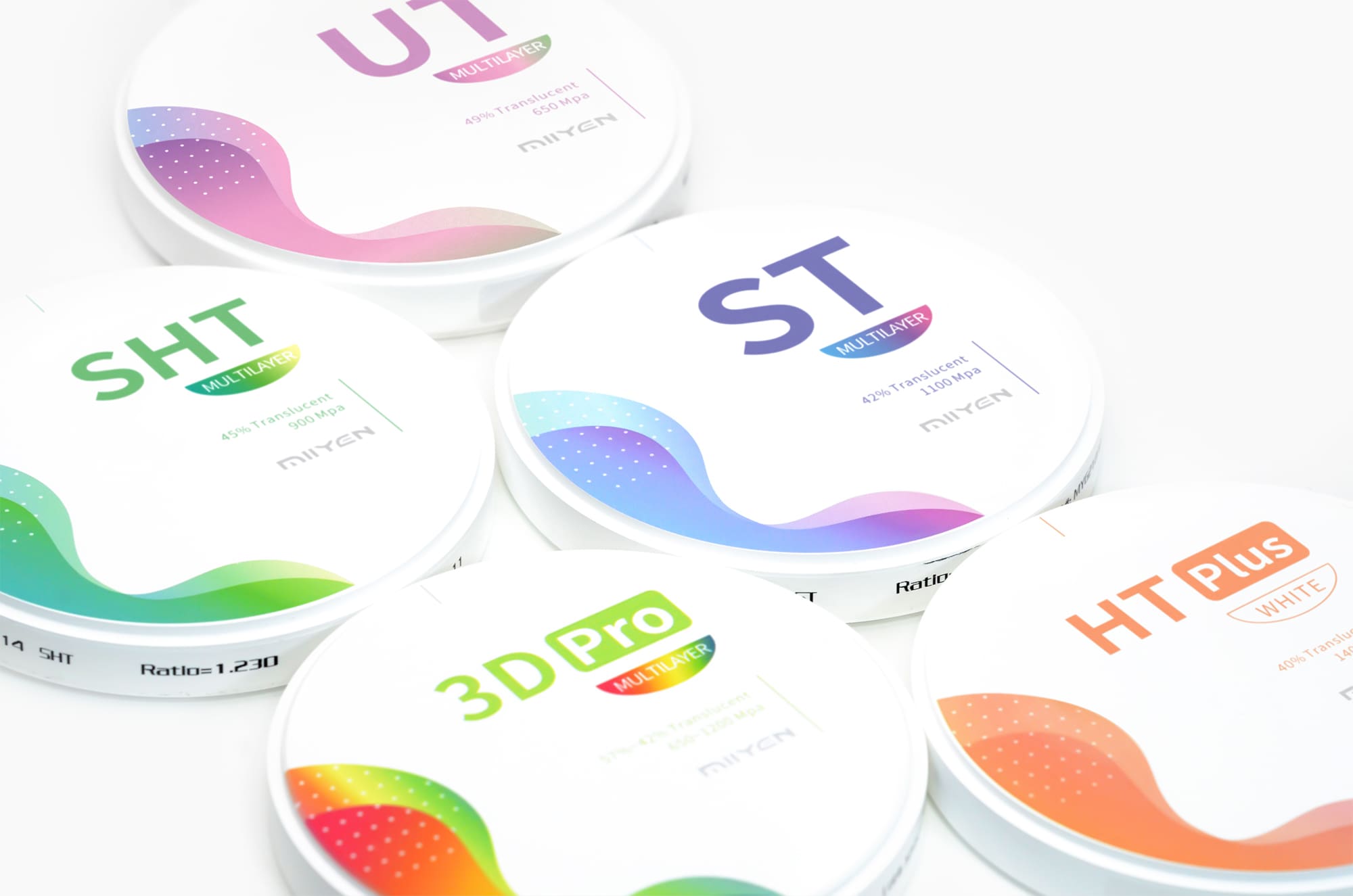
Различные типы стоматологических циркониевых блоков
Понимание различий между типами диоксида циркония помогает стоматологам более эффективно выбирать материалы.
Не существует единственного циркониевого блока, который был бы идеальным для каждой клинической ситуации.
Лучший выбор зависит от баланса между:
Следующее сравнение дает общее представление о различных категориях диоксида циркония.
| Характеристика | 3Y диоксид циркония | 4Y диоксид циркония | 5Y диоксид циркония | Многослойный диоксид циркония |
| Содержание оксида иттрия | Приблизительно 3 мол% | Приблизительно 4 мол% | Приблизительно 5 мол% | Зависит от состава |
| Прочность | Наивысшая | Средне-высокая | Ниже, чем у 3Y/4Y | Зависит от конструкции |
| Светопроницаемость | Ниже | Средне-высокая | Наивысшая | Градиентная светопроницаемость |
| Эстетические характеристики | Умеренные | Хорошие | Отличные | Естественный переход оттенков |
| Главное преимущество | Максимальная механическая надежность | Баланс прочности и эстетики | Превосходный оптический вид | Эффективность рабочего процесса + естественный внешний вид |
| Типичные применения | Задние реставрации, мосты, имплантаты | Коронки, мосты, общие применения | Высокоэстетичные передние реставрации | Коронки, мосты, реставрации на имплантатах |
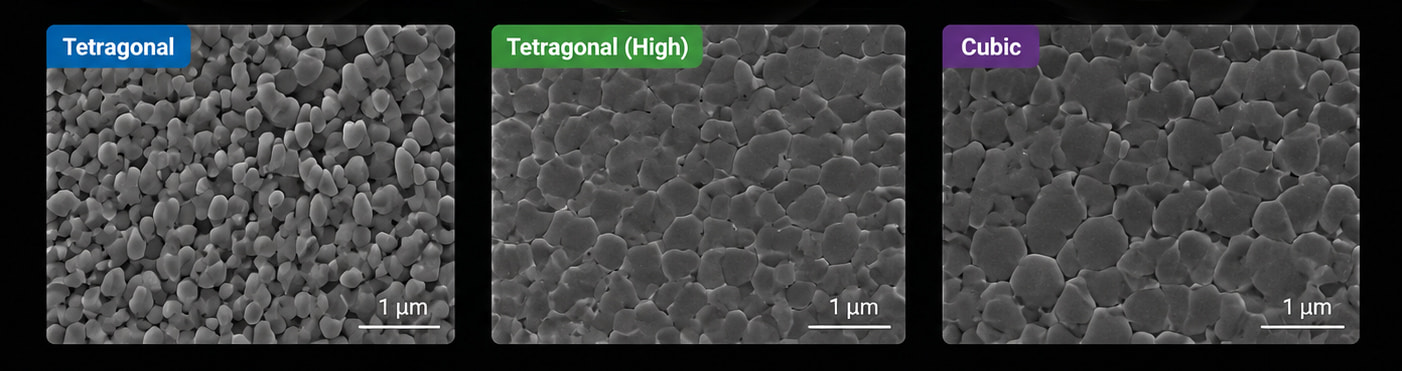
Сравнение кристаллической структуры стоматологического диоксида циркония
Диоксид циркония 3Y остается отличным вариантом, когда механические характеристики являются основным фактором выбора.
Рекомендуется для:
Его главное преимущество — высокая устойчивость к переломам и надежные механические характеристики.
4Y-цирконий обеспечивает компромисс между механическими преимуществами 3Y-циркония и оптическими преимуществами 5Y-циркония.
Рекомендуется для:
Для многих стандартных стоматологических применений 4Y-цирконий обеспечивает практический баланс.
5Y-цирконий разработан для применений, где оптические характеристики являются главным приоритетом.
Рекомендуется для:
Однако из-за компромисса между прозрачностью и прочностью выбор правильного каркаса остается важным.
Многослойный цирконий становится все более популярным в современных зуботехнических лабораториях, поскольку он решает одну из главных проблем монолитных циркониевых реставраций:
Как достичь естественной эстетики при сохранении эффективного цифрового производства.
Традиционные циркониевые блоки обычно имеют относительно однородные оптические свойства.
Многослойный цирконий обеспечивает постепенные изменения в:
от пришеечной области до режущего края.
Естественные зубы демонстрируют непрерывные переходы цвета и прозрачности.
Многослойный цирконий помогает воспроизвести:
внутри одного диска.
По сравнению с традиционными рабочими процессами с цирконием, многослойный цирконий может сократить:
Это может повысить производительность лаборатории.
В зависимости от конкретного состава многослойный цирконий может использоваться для:
Окончательный выбор всегда должен соответствовать рекомендациям производителя и клиническим требованиям.
Даже опытные зуботехнические лаборатории могут столкнуться с трудностями при выборе циркониевых материалов.
Следующие ошибки могут повлиять на результаты реставрации.
Распространённое заблуждение заключается в следующем:
Более высокая прочность всегда означает лучший цирконий.
Однако одна только прочность не определяет успех реставрации.
Для реставрации также требуются:
Самый прочный материал не всегда обеспечивает лучший эстетический результат.
Цирконий с высокой прозрачностью обеспечивает отличные оптические характеристики.
Однако высокоэстетичные материалы не всегда подходят для:
Выбор материала должен учитывать как эстетические ожидания, так и механические требования.
Даже высококачественный циркониевый блок может не достичь ожидаемых характеристик при неправильной обработке.
Важные факторы включают:
Соблюдение рекомендованных протоколов спекания является необходимым для получения предсказуемых результатов.
Перед выбором циркония лаборатории должны подтвердить:
Подходящий материал должен легко интегрироваться в существующий производственный процесс.
Стабильность характеристик материала имеет решающее значение для зубных реставраций.
Надежный поставщик диоксида циркония должен предоставлять:
Качество долговечной реставрации зависит не только от самого материала, но и от стабильности производственного процесса.
Выбор блока из диоксида циркония не должен основываться на одном-единственном параметре.
Хотя прочность и прозрачность являются важными показателями, наиболее подходящий материал из диоксида циркония зависит от взаимосвязи между:
Блок из диоксида циркония, который хорошо показывает себя в одной клинической ситуации, может не быть идеальным выбором для другой.
Следующие пять факторов предоставляют практическую основу для выбора материалов из диоксида циркония.
Первый вопрос при выборе диоксида циркония:
Какой тип реставрации вы изготавливаете?
Различные реставрации испытывают разные уровни механической нагрузки и поэтому требуют разных характеристик материала.
Одиночные коронки обычно предоставляют больше возможностей для выбора диоксида циркония.
Выбор в основном зависит от расположения реставрации и функциональных требований пациента.
Для передних коронок эстетика обычно является главным фактором.
Важные факторы включают:
Высокопрозрачный диоксид циркония или многослойный диоксид циркония могут обеспечить улучшенные эстетические результаты, когда клиническая ситуация это позволяет.
Коронки в боковом отделе испытывают более высокие окклюзионные нагрузки.
Важные факторы включают:
Для реставраций в боковом отделе часто предпочитают диоксид циркония с более высокой механической надежностью.
По сравнению с одиночными коронками зубные мосты создают дополнительные механические сложности, поскольку напряжение концентрируется вокруг соединителя.
При выборе диоксида циркония для мостов учитывайте:
Мосты с коротким пролетом обеспечивают баланс между эстетикой и прочностью.
Многослойный диоксид циркония или диоксид циркония со средней прозрачностью могут обеспечить эффективное решение при соблюдении соответствующих параметров конструкции.
Мосты с длинным пролетом требуют большей механической надежности.
Приоритет следует отдавать:
В таких ситуациях механическая безопасность обычно важнее максимальной прозрачности.
Реставрации с опорой на имплантаты требуют тщательного выбора материала, поскольку имплантаты передают окклюзионные силы иначе, чем естественные зубы.
В отличие от естественных зубов, имплантаты не имеют амортизации периодонтальной связки, поэтому функциональные силы передаются непосредственно на реставрацию.
Важные аспекты включают:
Диоксид циркония сочетает прочность и прозрачность, что делает его популярным выбором для имплантатных материалов.
Полнодуговая реставрация является одним из самых требовательных применений диоксида циркония.
Важные требования включают:
Для крупных реставраций особенно важными становятся однородность материала и контроль производства.
Расположение реставрации значительно влияет на выбор материала.
Передняя область является наиболее требовательной с эстетической точки зрения.
Пациенты часто ожидают реставрации, которые максимально похожи на естественные зубы.
Ключевые требования включают:
Для передних реставраций обычно предпочтительны материалы с улучшенной прозрачностью.
Задние зубы испытывают значительно более высокие жевательные нагрузки.
Приоритет смещается к:
Циркониевый материал с несколько более низкой прозрачностью, но улучшенными механическими характеристиками, может обеспечить более безопасное долгосрочное решение.
Длина моста напрямую влияет на механические требования.
При увеличении количества единиц:
Поэтому при выборе циркония следует учитывать не только сам материал, но и конструкцию реставрации.
Короткая реставрация:
Больше гибкости в балансе эстетики и прочности.
Длительная реставрация:
Более высокий приоритет механической надежности.
Прочность на изгиб является одним из наиболее часто обсуждаемых свойств диоксида циркония.
Однако ее не следует рассматривать отдельно.
Успешная реставрация зависит от множества факторов:
Практический подход:
Выбирайте диоксид циркония, разработанный для:
Выберите цирконий, разработанный для:
Выберите цирконий, разработанный для:
Механические свойства определяют долговечность, а оптические свойства определяют визуальный результат.
Важные эстетические факторы включают:
Светопроницаемость влияет на то, как свет проходит через реставрацию.
Более высокая светопроницаемость может создать:
Однако светопроницаемость всегда должна быть сбалансирована с механическими требованиями.
Естественные зубы не имеют однородного цвета.
Пришеечная область, область тела зуба и режущий край имеют разные оптические характеристики.
Многослойный цирконий воспроизводит этот естественный переход с помощью встроенных градиентов оттенка.
Естественная эмаль проявляет флуоресценцию при определённых условиях освещения.
Подходящие характеристики флуоресценции могут способствовать более реалистичному виду реставрации.
Даже при использовании современных циркониевых материалов процедуры финишной обработки остаются важными.
Окрашивание и глазурование могут дополнительно улучшить:
Используйте следующий упрощённый процесс принятия решения:
Что вы изготавливаете?
↓
Что важнее всего?
↓
→ Рассмотрите высокопрочный диоксид циркония
→ Рассмотрите диоксид циркония 4Y или усовершенствованный многослойный диоксид циркония
→ Рассмотрите высокотранслуцентный диоксид циркония
Перед окончательным выбором проверьте:
✓ Совместимость с CAD/CAM
✓ Параметры фрезерования
✓ Протокол спекания
✓ Стабильность оттенка
✓ Техническая поддержка
| Клиническое требование | Рекомендуемый тип диоксида циркония | Главный приоритет |
| Высокопрочное боковое восстановление | 3Y / высокопрочный диоксид циркония | Механическая надежность |
| Эстетическая коронка переднего отдела | 5Y / многослойный диоксид циркония | Транслуцентность |
| Ежедневное восстановление коронкой | Диоксид циркония 4Y | Баланс |
| Мостовидный протез малой протяженности | 4Y / многослойный диоксид циркония | Прочность + эстетика |
| Мостовидный протез большой протяженности | Высокопрочный диоксид циркония | Устойчивость к перелому |
| Восстановление на импланте | Сбалансированный диоксид циркония | Прочность + внешний вид |
Пациенту требуется передняя коронка, где естественный внешний вид является главным требованием.
Реставрация требует:
Высокопрозрачный диоксид циркония или многослойный диоксид циркония может обеспечить улучшенные эстетические характеристики, если механические условия позволяют.
Реставрация может обеспечить:
Многозвенный задний мостовидный протез требует надежных долгосрочных механических характеристик.
Реставрация требует:
Следует отдавать приоритет материалу из диоксида циркония с более высокими прочностными характеристиками.
Реставрация может обеспечить:
Реставрация с опорой на имплантат требует как долговечности, так и приемлемых эстетических характеристик.
Реставрация требует баланса между:
Сбалансированное решение из диоксида циркония может обеспечить надлежащую механическую поддержку при сохранении приемлемых эстетических результатов.
Реставрация может обеспечить:
Выбор подходящего блока из диоксида циркония заключается не только в выборе правильного типа материала.
Надежность поставщика также играет важную роль в обеспечении стабильного качества реставраций.
Профессиональный производитель диоксида циркония должен предоставлять больше, чем просто каталог продукции. Зуботехнические лаборатории должны оценивать технические возможности, стабильность производства и поддержку в применении перед установлением долгосрочного партнерства.
Характеристики диоксида циркония в значительной степени зависят от контроля производства.
Надежный поставщик должен осуществлять строгий контроль над:
Для многослойного диоксида циркония стабильность производства особенно важна, поскольку различия в составе материала могут влиять на:
Профессиональные поставщики диоксида циркония должны предоставлять четкую техническую информацию, включая:
Прозрачная техническая информация помогает зуботехническим лабораториям принимать более обоснованные решения при выборе материала.
Надежный поставщик должен поддерживать клиентов на протяжении всего рабочего процесса, включая:
Производительность диоксида циркония зависит не только от самого материала, но и от того, насколько эффективно он интегрирован в лабораторный рабочий процесс.
Опытный производитель стоматологических материалов может предоставить преимущества, выходящие за рамки поставки продукции.
К таким преимуществам относятся:
Для стоматологических лабораторий, стремящихся к долгосрочному сотрудничеству, возможности поставщика следует рассматривать как столь же важные, как и характеристики продукции.
BAOT Biological Technology Co., Ltd.занимается исследованиями, разработкой и производством стоматологических материалов для современной цифровой стоматологии.
Портфель продукции компании включает:
Благодаря непрерывному развитию материалов и оптимизации производства BAOT стремится предоставлять стоматологическим лабораториям надежные решения, сочетающие:
В качестве примераприменения многослойного диоксида циркония,MIIYEN 3D Pro Multilayer Zirconiaразработан для лабораторий, стремящихся найти баланс междупрочностью, светопроницаемостью и эффективностью рабочего процесса.
| Параметр | MIIYEN 3D Pro Multilayer Zirconia |
| Тип материала | Многослойный диоксид циркония |
| Прочность при изгибе | 800–1200 МПа |
| Светопропускание | 42%–57% |
| КТР (200–500°C) | (10.0–11.0)-6·К-1 |
| Температура спекания | 1500°C |
| Структура оттенка | Естественный многослойный градиент |
| Показания | Коронки, мосты, имплантационные реставрации |
| Рабочий процесс | Совместимость с CAD/CAM |
Различные области используют материалы с разной прочностью: зона дентина использует 3Y-TZP, переходная зона сочетает 3Y-TZP, 4Y-TZP и 5Y-TZP, а режущая зона использует 5Y-TZP. Каждая область подчеркивает разные характеристики прочности и прозрачности, позволяя многослойному цирконию MIIYEN 3D Pro гибко адаптироваться к различным клиническим потребностям — от одиночных коронок до протяженных мостовидных реставраций.
Такой тип конструкции материала отражает более широкую тенденцию в отрасли: переход от циркония с одним свойством к ориентированным на применение решениям из циркония.
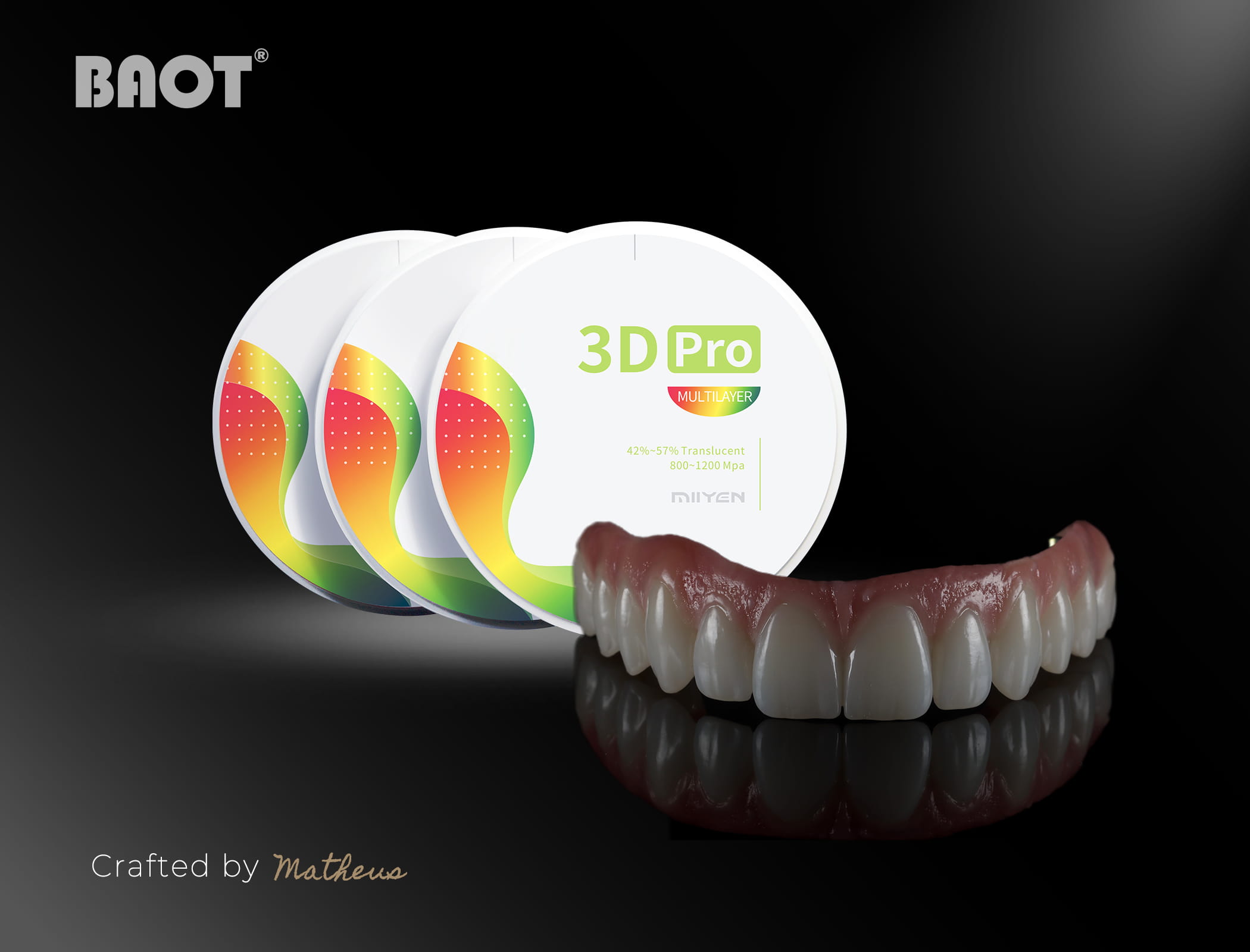
Клинический случай протяженного моста, выполненного из многослойного циркониевого блока MIIYEN 3D Pro
Перед выбором циркониевого блока рассмотрите следующие вопросы:
☐ Какой тип реставрации требуется?
☐ Где расположена реставрация?
☐ Каков главный приоритет?
☐ Обеспечивает ли цирконий достаточную прочность на изгиб?
☐ Подходит ли прозрачность для клинического показания?
☐ Обеспечивает ли материал стабильность оттенка?
☐ Четко ли определены параметры спекания?
☐ Совместим ли цирконий с вашей системой CAD/CAM?
☐ Четко ли задокументированы процедуры фрезерования и спекания?
☐ Предоставляет ли поставщик техническую поддержку?
Развитие технологии циркония предоставило специалистам в области стоматологии больше вариантов, чем когда-либо прежде.
Однако лучший циркониевый блок — это не просто самый прочный материал или самый прозрачный вариант.
Успешные результаты реставрации зависят от выбора материала, который соответствует:
В целом:
Понимая свойства диоксида циркония и применяя структурированный процесс выбора, зуботехнические лаборатории могут достигать более предсказуемых, эффективных и эстетичных результатов реставраций.
Лучший блок из диоксида циркония зависит от расположения коронки, функциональных требований и эстетических ожиданий.
Для передних коронок высокопрозрачный диоксид циркония или многослойный диоксид циркония могут обеспечить улучшенные эстетические результаты.
Для боковых коронок диоксид циркония с более высокой механической прочностью может быть более подходящим.
Правильный выбор всегда должен основываться на клинических требованиях, а не на одном свойстве материала.
Мостовидные реставрации требуют тщательного учёта прочности и устойчивости к перелому.
Для мостовидных протезов большой протяжённости обычно предпочтителен диоксид циркония с более высокой механической надёжностью.
При выборе материала также следует учитывать:
Главное различие заключается в балансе между прочностью и прозрачностью.
| Тип | Основная характеристика |
| Диоксид циркония 3Y | Наивысшая прочность |
| Диоксид циркония 4Y | Баланс между прочностью и эстетикой |
| Диоксид циркония 5Y | Наивысшая прозрачность |
Характеристики многослойного диоксида циркония зависят от его конкретного состава.
Современные материалы из многослойного диоксида циркония разработаны для сочетания оптических градиентов с соответствующими механическими свойствами.
Фактические характеристики всегда следует оценивать в соответствии с техническими данными производителя.
Нет.
Более высокая прозрачность улучшает эстетические характеристики, но может снижать механическую прочность.
Идеальный выбор зависит от показаний к реставрации.
Ни один материал из диоксида циркония не является идеальным для каждой клинической ситуации.
Различные реставрации требуют разного баланса между:
Требуемая прочность на изгиб зависит от типа реставрации.
Боковые мостовидные протезы и имплантологические реставрации обычно требуют более высоких механических характеристик, чем простые фронтальные коронки.
Многослойный диоксид циркония упрощает рабочий процесс, интегрируя градиенты оттенка и светопроницаемости в материал.
Это позволяет сократить этапы ручной индивидуализации, одновременно повышая эстетическую стабильность.
Профессиональный поставщик должен предоставлять:
Лучшие результаты зависят от сочетания:

NO.12 Building, Yujing industry Zone, 106 Qihao Road, Torch Development District, Zhongshan City, GuangDong Province
разделительная стыковка :+86-(0)760-8789 3825
сервисная линия 1 :+86-(0)760-8789 6339
сервисная линия 2 :+86 138 2393 9676
Эл. адрес : mike.zhang@baot.biz




© 2026 BAOT Biological Technology Co., Ltd все права защищены.




 блог
блог